This post contains an affiliate or referral link. If you use it, we may receive a commission or reward at no extra cost to you. How this works.
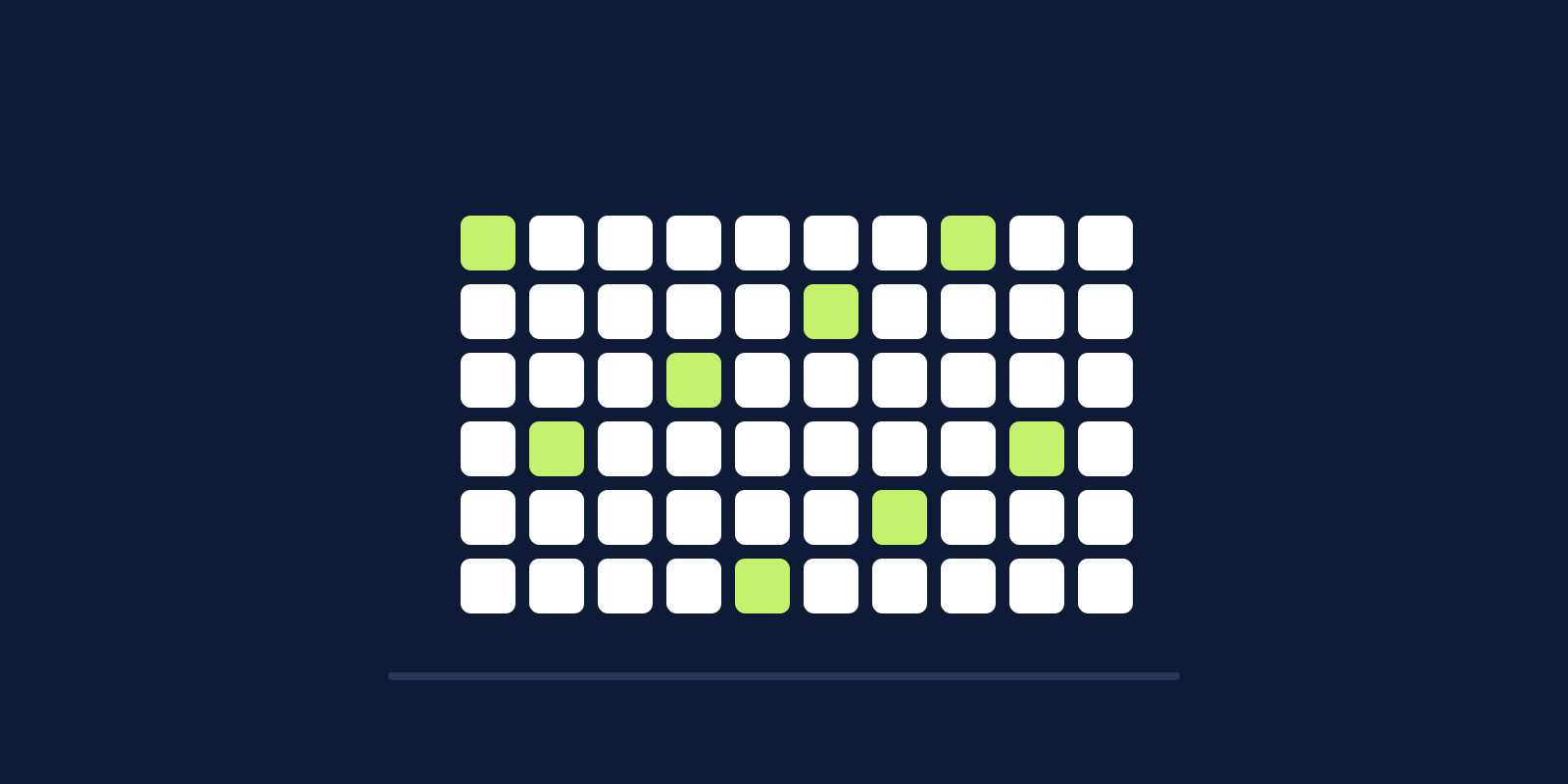
I’ve been there: reading about the next big thing, buying because everyone else seemed to be, and watching it fall. Chasing hype feels productive. It’s exciting and there’s always a story. But for most people, the way to build real wealth over time is much more boring: buy the whole market cheaply, keep adding to it, and leave it alone.
This is general information, not financial advice. Capital at risk: investments can fall as well as rise. The Trading 212 links in this post are my referral link.
What is an index fund?
An index is a list of companies, such as the 100 biggest on the London Stock Exchange (the FTSE 100) or thousands of companies worldwide (a global index). An index fund simply buys all the companies in that list, in proportion to their size.
So instead of betting on one company, you own a tiny slice of hundreds or thousands at once. If one fails, it barely dents your investment. When the market as a whole grows, so do you.
An ETF (exchange-traded fund) does the same thing but trades on a stock exchange like a share. For long-term investors, the difference is mostly practical: which one your platform offers, and at what cost.
Why boring beats hype
- You don’t need to pick winners. Most professional fund managers who try to beat the market fail to do so over long periods, especially after fees. An index fund just aims to match the market.
- Fees are low. Index funds don’t pay teams of analysts, so charges are usually a fraction of those on actively managed funds.
- It’s diversified. A global fund spreads your money across countries, industries and thousands of companies.
- It’s hands-off. No research, no timing, no watching the news. Automate a monthly amount and get on with your life.
What fees really cost you
A 1% difference in fees sounds tiny. Over 30 years, it isn’t.
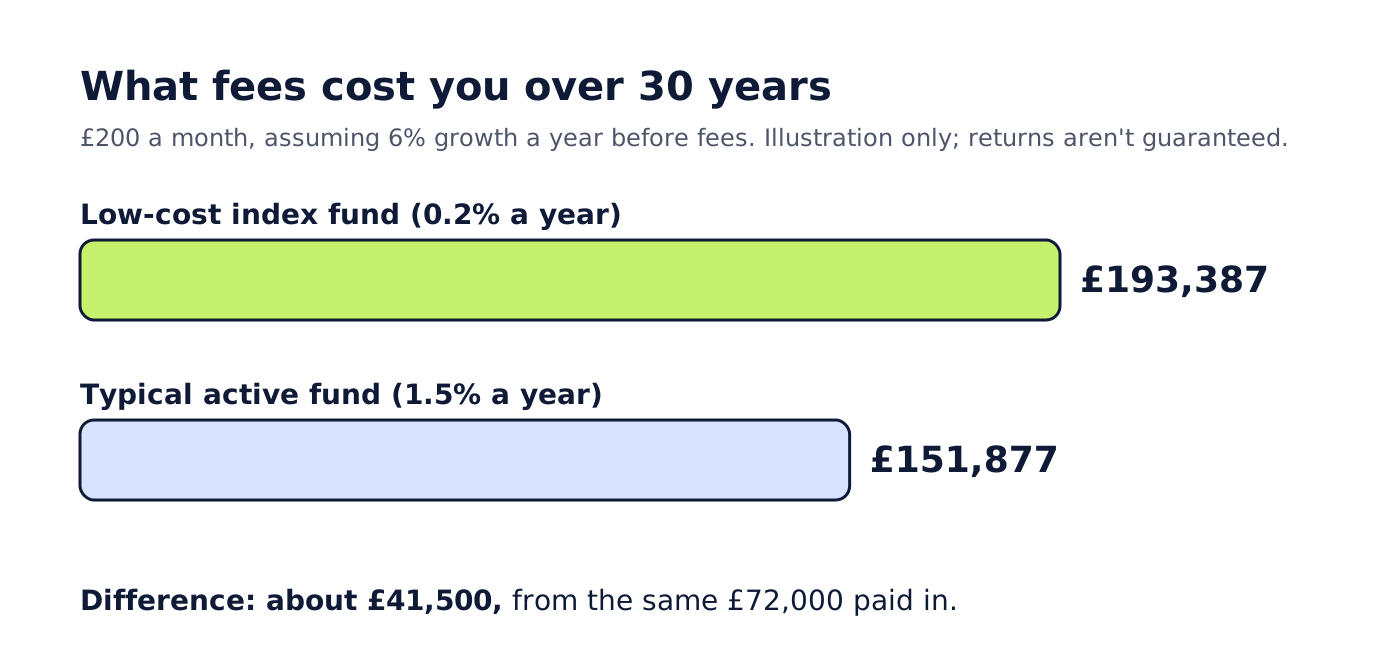
In this illustration, the same £72,000 paid in ends up around £41,500 apart, purely because of fees. Always check the fund’s ongoing charge (OCF) and any platform fee on top.
The hype traps to avoid
| Trap | Why it hurts |
|---|---|
| Buying what’s trending | By the time it’s in the headlines, much of the rise has often already happened |
| Thematic ETFs (AI, space, etc.) | Narrow bets with higher fees, often launched after a theme has boomed |
| Checking your balance daily | Short-term drops tempt you to sell at the worst time |
| Trying to time the market | Missing just a few of the best days can seriously dent long-term returns |
How to get started in the UK
- Build your cash safety net first. Keep an emergency fund in cash before investing.
- Use a tax wrapper. Invest inside a Stocks and Shares ISA so gains and dividends are tax-free. Check your workplace pension too, as many offer a global index fund option.
- Choose a low-cost, diversified fund, such as a global index fund or ETF. Compare the OCF and what it tracks.
- Automate a monthly amount. On Trading 212, AutoInvest can buy your chosen ETFs for you every month. Open an account through my link and deposit the minimum within 10 days for a free share worth up to £100.
- Leave it alone. Review once or twice a year, not once a day.
Good to know: “Boring” doesn’t mean guaranteed. Index funds can fall sharply in a crash, sometimes by a third or more. The strategy works because you stay invested for the long term, through the drops.
The short version
Index funds and ETFs let you own a slice of the whole market, cheaply and with little effort. Low fees compound into big differences over decades, and staying invested beats chasing whatever is trending. Build your cash buffer, use an ISA or pension, pick a low-cost diversified fund, automate it, and let time do the work.
Common questions
What's the difference between an index fund and an ETF?
Both track an index. An index fund is bought directly from a fund provider at one price per day. An ETF (exchange-traded fund) trades on a stock exchange like a share, with prices changing during the day. For long-term investors, either can work well.
Are index funds safe?
They're diversified, which reduces the risk of any one company failing, but they still go up and down with the market. A global index fund can fall significantly in a downturn. Only invest money you can leave for at least five years.
Which index fund should I choose?
This isn't personal advice, but many long-term investors start with a low-cost global fund that tracks thousands of companies across many countries. Compare the fund's yearly charge (OCF) and what it tracks.
Should I invest a lump sum or monthly?
Investing monthly smooths out the ups and downs and builds the habit. Research suggests lump sums often do better on average over time, because markets tend to rise, but monthly investing is easier to stick with for most people.
This article is general information, not personal financial advice. Your situation is your own, so check the details for yourself or speak to a regulated adviser before making big decisions. Where investments are mentioned, their value can go down as well as up.