Detailed budgets have a way of dying in February. You start with categories and colour-coding, miss a couple of weeks, and then the spreadsheet becomes something you avoid opening.
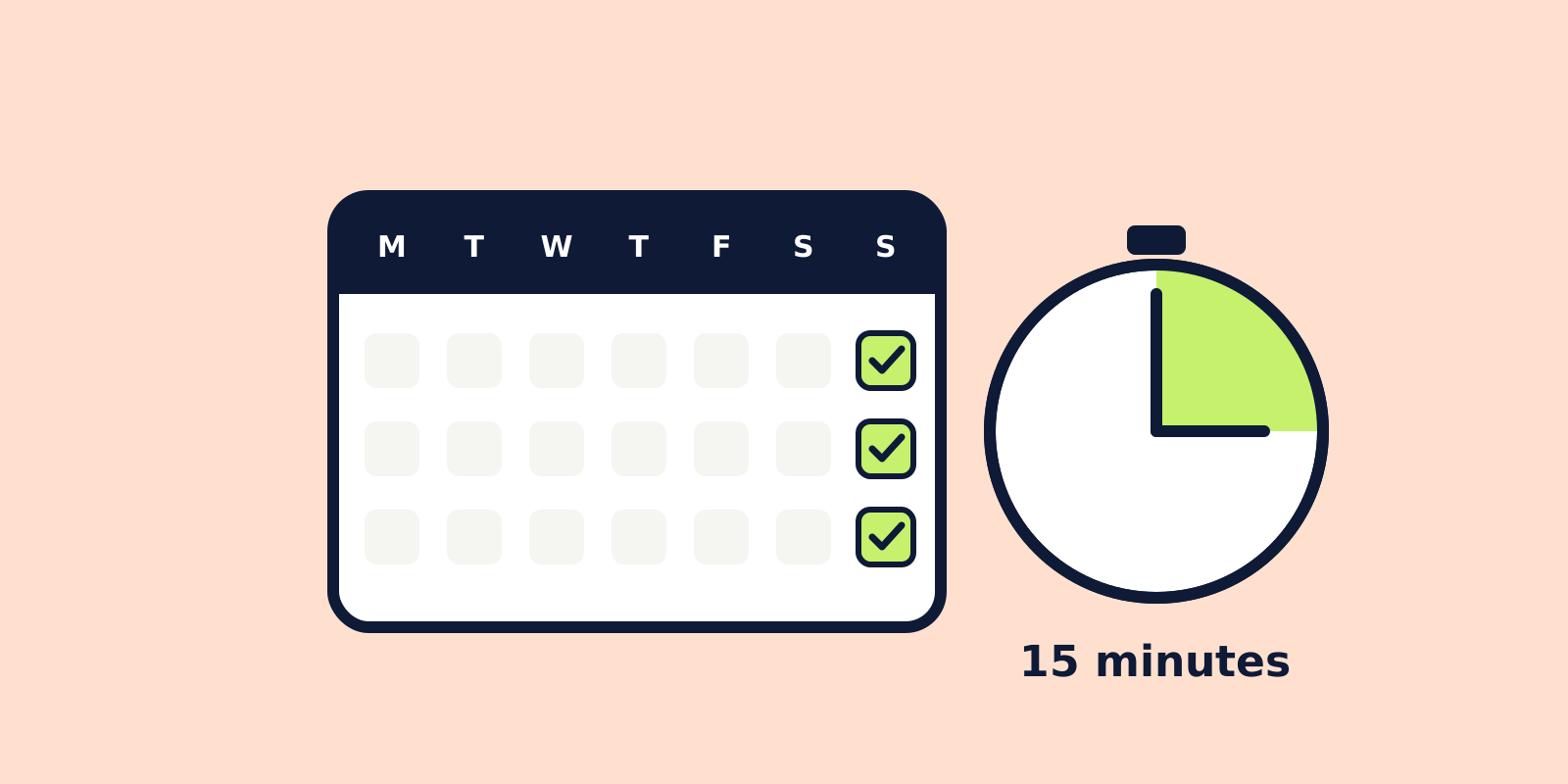
What works better for most people is a short, regular look at the numbers, the same way a team does a weekly review. Fifteen minutes, same time each week, no judgement.
Why weekly beats monthly
A month is too long to notice drift. By the time you see a monthly total, the money’s gone. A week is short enough that you can still change what happens next: skip the takeaway on Friday, move a direct debit, top up a pot.
It also turns money from a source of dread into a routine. Routines are much easier to keep than resolutions.
The check-in, in order
1. Look at your balance against the next two weeks (3 minutes). What’s in your current account, and what bills are coming out before next payday? If it’s tight, you know now rather than at the cashpoint.
2. Scan last week’s transactions (5 minutes). You’re not categorising everything. You’re looking for three things: anything you don’t recognise, subscriptions you forgot about, and one spend you’d happily not repeat.
3. Check your savings moved (2 minutes). Did the standing order to your buffer or goals go through? If not, sort it now.
4. Pick one small action (3 minutes). Cancel one subscription, move £20 to savings, or plan three dinners to cut food waste. One thing, done immediately.
5. Note one thing that went well (2 minutes). It sounds soft, but it matters. People stick with habits they feel good about.
Making it stick
Attach it to something you already do, like Sunday morning coffee. Put it in your calendar as a recurring event. If you share finances with a partner, do it together every other week. It turns money conversations from occasional arguments into a normal part of the week.
What you’ll notice after a month
Most people find at least one forgotten subscription in the first few weeks. More importantly, the low-level anxiety about “not knowing where the money goes” fades, because you do know. You looked last Sunday.
The short version
Once a week, spend 15 minutes checking your balance against upcoming bills, scanning last week’s spending, confirming your savings moved, taking one small action, and noting one win. Keep it short, keep it regular, and keep it kind.
This article is general information, not personal financial advice. Your situation is your own, so check the details for yourself or speak to a regulated adviser before making big decisions. Where investments are mentioned, their value can go down as well as up.